Saleh Bay's whale sharks are getting a protected area
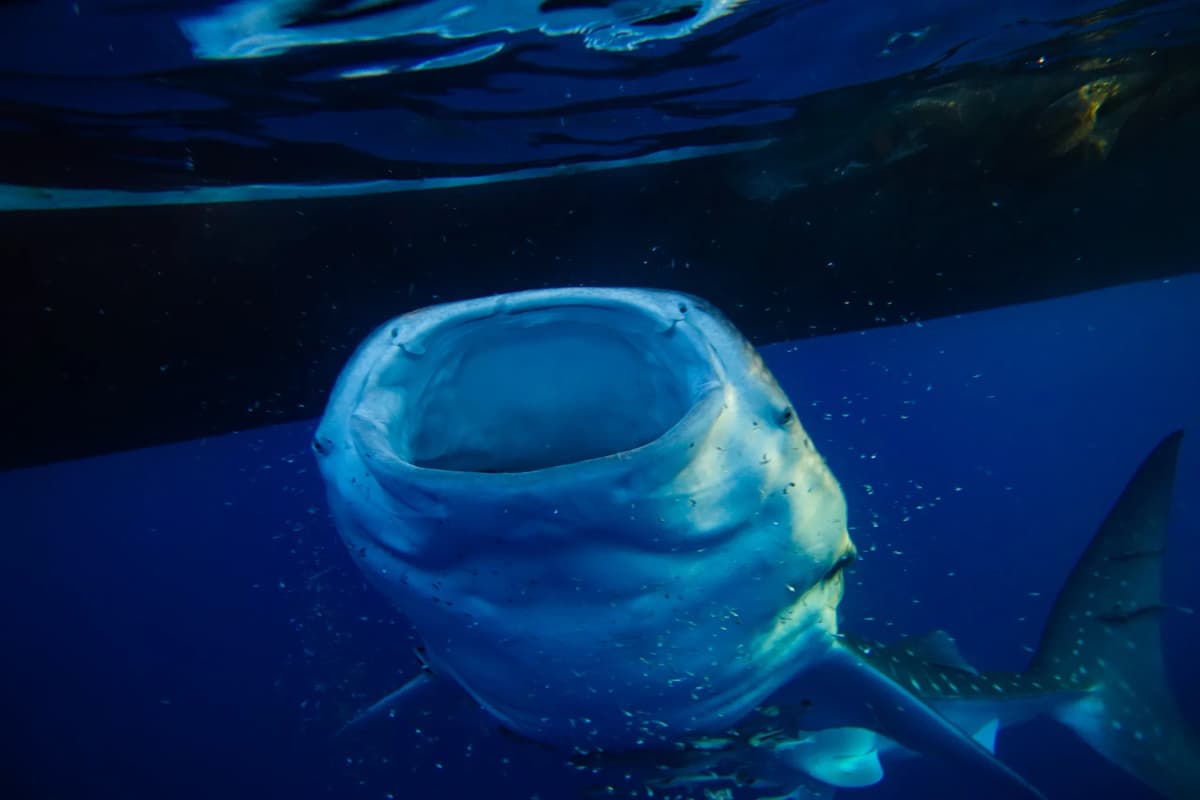
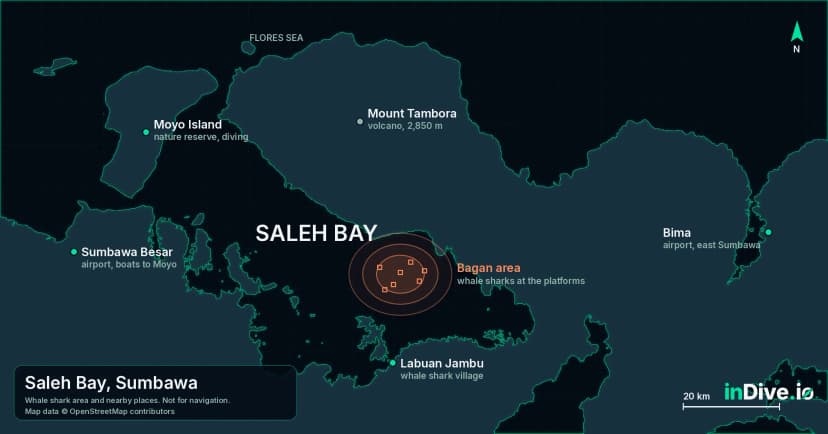
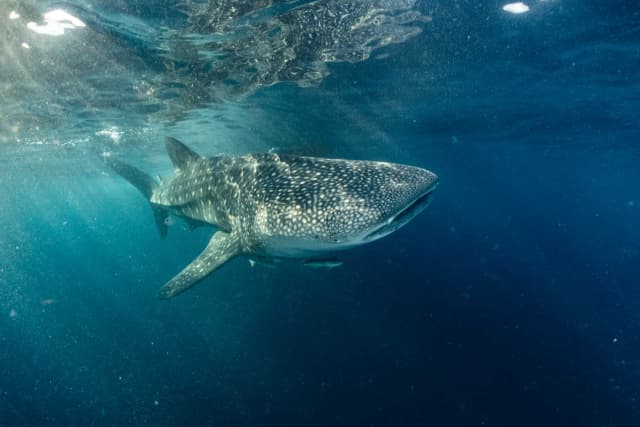
Saleh Bay, on the north coast of Sumbawa, is set to become one of the first marine protected areas in Indonesia drawn around whale sharks. In May 2026 the governor of West Nusa Tenggara designated 73,165 hectares of the bay for whale shark conservation. That extends an existing protected area to more than half of the bay's 145,900 hectares and, according to a provincial document seen by Mongabay, covers 90% of the bay's known whale shark hotspots. The Ministry of Marine Affairs and Fisheries is now reviewing the plan, and Konservasi Indonesia, the NGO behind much of the research, hopes for formal recognition in 2027.
Why Saleh Bay matters
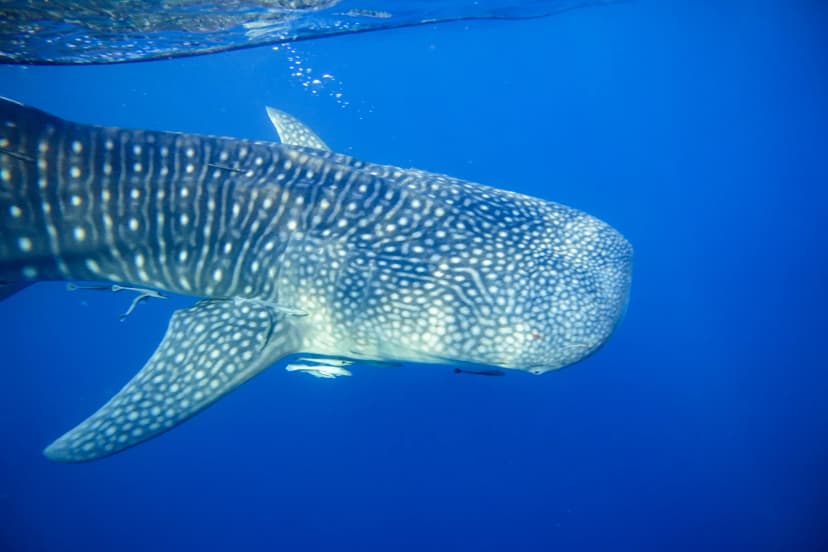
Whale sharks have been monitored in the bay since 2015. Konservasi Indonesia's 2025 population report, published in July 2026, counts 174 individual sharks across 884 sightings, each one identified by its spot pattern. The population is strongly male: 137 of the 174 are males, 16 are females, and the rest are not yet sexed. Most are juveniles and subadults, which points to the bay as a place where young sharks grow up in food-rich, sheltered water.
The bay may also hold something nobody has documented before. Since August 2024, fishers have reported five sightings of tiny whale sharks, 1.2 to 1.5 metres long. Only 33 whale sharks under 1.5 metres have ever been recorded in the scientific literature. The researchers are careful about what this means: they have not seen a birth in the bay or shown that newborns return to it year after year, so calling Saleh Bay a pupping ground is still preliminary.
Ten years of tracking
Much of the evidence behind the new zoning comes from a decade-long tagging study. Between 2015 and 2025, scientists from Konservasi Indonesia and the Elasmobranch Institute Indonesia fitted more than 70 whale sharks with fin-mounted satellite tags in Saleh Bay, Cenderawasih Bay, Kaimana and the Gulf of Tomini, working with the bagan fishers whose platforms the sharks visit. The tags showed sharks leaving for months and coming back, some travelling each year toward northern Papua or the Timor Gap when tuna spawn, and dives to 200 metres. The study fed directly into the plan for Saleh Bay, which includes no-take zones over nursery and juvenile habitat and the mangroves that keep shrimp and plankton in the bay.
The fishers in the middle
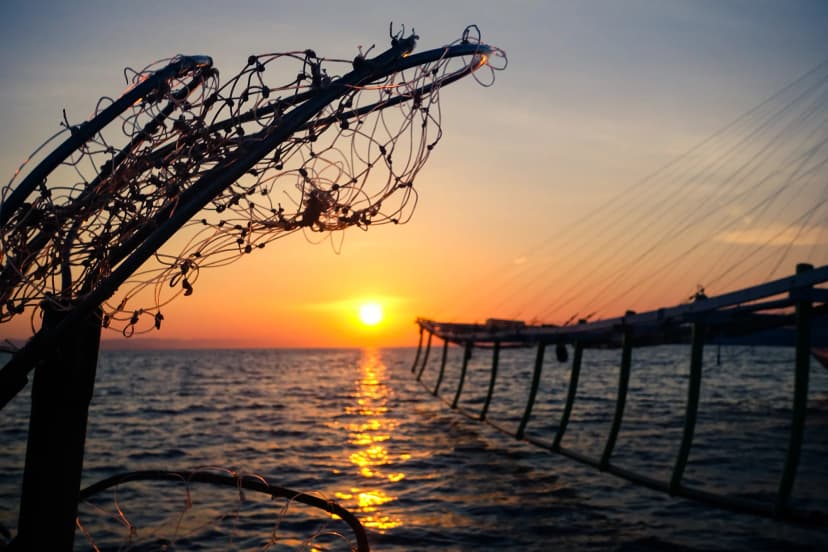
The bagans are why the sharks are so easy to find. These floating lift-net platforms burn lights all night to draw small fish, and at dawn, when the nets come up, whale sharks feed on what escapes. Fishers once saw the sharks as competitors and a danger to their nets. Today many in Labuan Jambu, at the south end of the bay, also work as guides, trained by Konservasi Indonesia to take visitors out responsibly, and the extra income has changed how the village sees the animals.
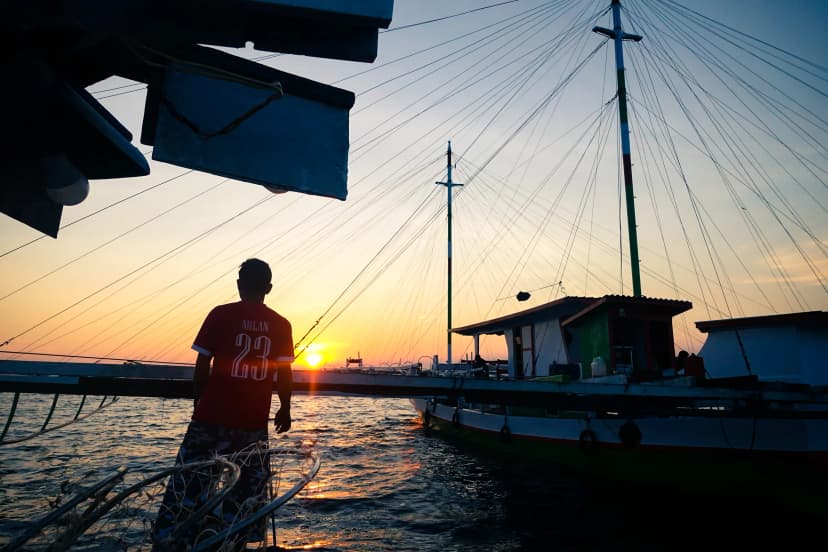
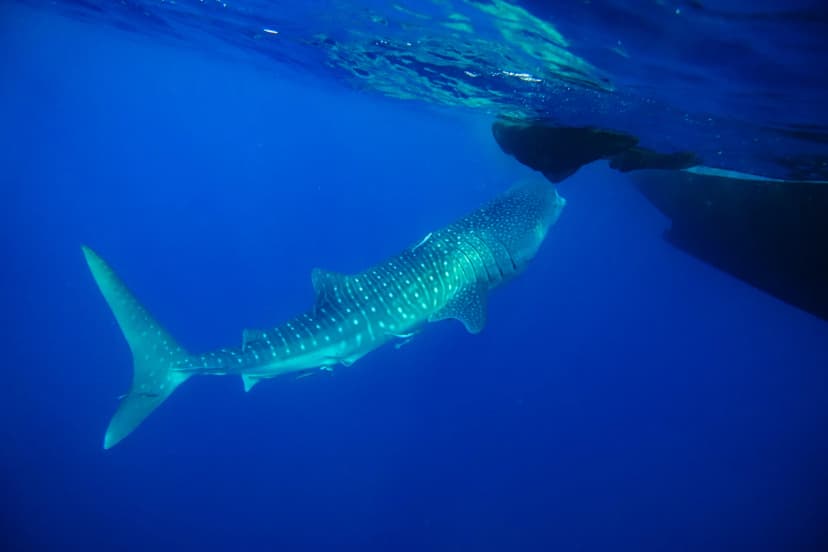
The same link carries a risk. Konservasi Indonesia's report warns that the close tie to bagans may make sharks dependent on them, and that growing tourism, pollution and fishing pressure could change how they use the bay. Marine biologist Mark Erdmann has raised a further worry: if bagans keep spreading, there may one day not be enough food left for the whale sharks themselves. The draft management plan, discussed with the government and local communities, is meant to balance fishing, tourism and diving rather than simply draw lines on a map.
Seeing them well
Encounters in Saleh Bay happen at the surface around the bagans in the early morning, usually with snorkel rather than tanks. As with any wild animal, a sighting is never guaranteed on a given day. How you go matters as much as whether you go: keep your distance, never touch a shark, and ask your operator whether the encounter relies on the bagan's normal catch or on extra feeding for tourists.
Ocean Earth Travels has written a frank guide to that question, covering Saleh Bay, Cenderawasih and Gorontalo, the feeding debate and how to choose an operator: Is whale shark tourism in Indonesia ethical? Its Saleh Bay guide covers the practical side of a trip from Sumbawa Besar.
For diving nearby, Moyo Island sits at the mouth of the bay, and the Saleh Bay page lists the sites and seasons. More whale shark spots across the country are in our guide to where to see whale sharks in Indonesia.
Sources
Mongabay, Mark Hillsdon, "Plans for a new marine protected area boost whale shark conservation in Indonesia's Saleh Bay", November 2026
Konservasi Indonesia, State of the Whale Shark Population in Saleh Bay 2025 Report, July 2026
Mongabay, Claire Turrell, "A 10-year whale shark satellite study helps create new protected area in Indonesia", May 2026
Putra et al. (2026), Frontiers in Marine Science 13:1808805
IUCN Red List: whale shark, Endangered
Comments
Loading the comments…